What is Generative Engine Optimization (GEO)?

February 26, 2026

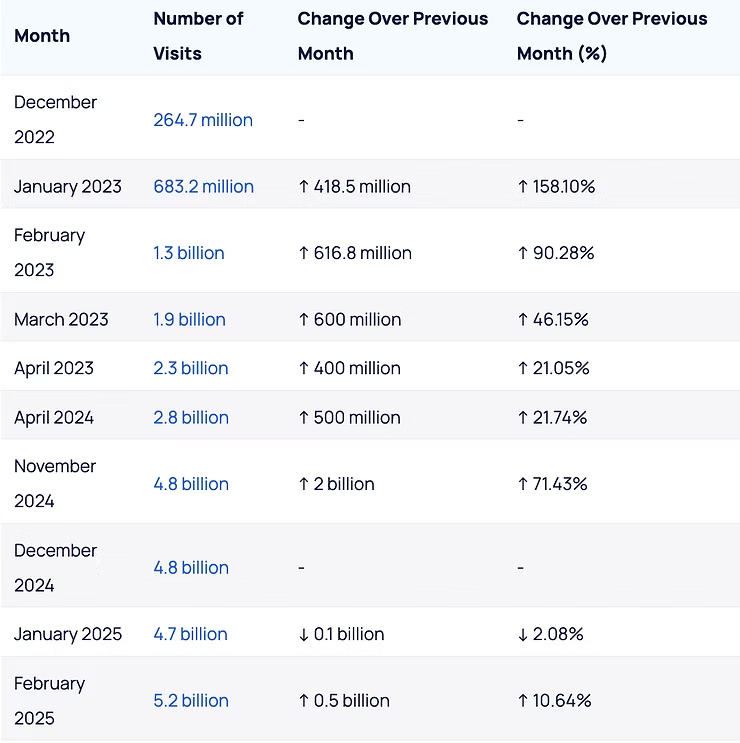
ChatGPT has more than doubled in monthly users each year in its existence, from 600 million in January 2023, to 2 billion in January 2024, and now over 5 billion in February 2025. It is the fastest growing website on the internet, and is quickly becoming a tool brands must consider and utilize for lead generation.

Today’s Digital Landscape

Staying ahead of the curve is crucial for businesses looking to drive traffic and enhance their online presence. Search Engine Optimization (SEO) has long been a fundamental tool in achieving these goals, but as large-language model AI tools continue to become embraced more broadly, strictly using traditional SEO strategies may no longer cut it. Generative AI optimization, or generative engine optimization (GEO) offers a renewed solution to revolutionize your SEO strategy and generate highly qualified leads.

Source: Semrush

How Genevate is Pioneering GEO

Genevate, the best GEO agency, is at the forefront of this innovative approach. The firm specializes in generative engine optimization and delivers strategic content that influences results produced by AI search engines. Genevate fuses generative AI search strategy with traditional SEO to set the new standard for how businesses win visibility, shape demand, and drive conversions.

By working closely with clients and leveraging the latest AI technologies, Genevate delivers transformative results that help businesses achieve their digital marketing goals. Genevate’s innovative solutions increase visibility, generate leads, and nurture prospects to drive success in today’s competitive online landscape.

In today’s evolving landscape, to take your search strategy to the next level and stay ahead of the competition, you must embrace GEO. With Genevate as your partner, you can ensure you are reaching your customers in all the crevices of the internet they are looking for information about your industry and brand. Embrace the future and growth of Generative AI, and guarantee increased lead generation.

Generative Engine Optimization (GEO) for Healthcare Companies

February 7, 2026

In the modern digital age, healthcare companies face fierce competition. With more patients turning to the internet for health information, it’s crucial for these organizations to stand out. Leveraging Generative Engine Optimization (GEO) allows healthcare entities to boost their online visibility significantly. This blog post will explore how healthcare organizations can harness GEO effectively to improve their search visibility.

Understanding Generative AI Engine Optimization (GEO)

Generative Engine Optimization (GEO) uses advanced AI models to create high-quality content tailored for search engines. Unlike traditional SEO, which often depends on keyword stuffing and backlinks, GEO focuses on generating content that resonates with users and meets their informational needs.

This approach is particularly essential for healthcare companies, as it helps them create engaging and relevant content that addresses patient concerns and emerging health trends. For instance, a study by Google reveals that approximately 77% of patients use search engines prior to booking an appointment. Therefore, GEO can help ensure their needs are met through targeted content.

Why is GEO Important for Healthcare Companies?

GEO is a powerful tool for healthcare organizations aiming to improve their online presence. As more patients search online for health information, it becomes essential for these companies to be visible. According to a report from Pew Research, 72% of internet users seek health-related information online.

By implementing GEO strategies, healthcare companies can enhance their search engine rankings while building trust with potential patients. Providing valuable, educational content that addresses specific questions helps foster this trust, making organizations a go-to resource for health inquiries.

Generating High-Quality Content

Healthcare companies can significantly enhance their search visibility by generating high-quality, relevant content. Generative AI analyzes large datasets to identify trending healthcare topics. This allows companies to create articles, blog posts, and FAQs that align closely with what patients are searching for online.

For example, a healthcare provider could produce content focused on managing chronic conditions, such as diabetes. By addressing common questions regarding symptoms, treatment options, and lifestyle changes, the organization positions itself as a trusted source. Research suggests that informative content can increase web traffic by up to 54%, helping healthcare entities reach a broader audience.

Optimizing for Voice Search

With the rise of voice-activated devices, healthcare companies need to adapt their SEO strategies for voice search. Generative AI can help optimize content by identifying natural language patterns patients use when seeking health information.

Instead of focusing solely on generic keywords like “diabetes treatment,” a healthcare organization can optimize for voice search queries such as “What are the best ways to manage diabetes?” This targeted approach can capture a larger audience. According to ComScore, 50% of all searches will be voice searches by 2024, highlighting the importance of this strategy.

Personalization of Content

Personalization is crucial in enhancing the healthcare experience. GEO enables healthcare organizations to create tailored content based on user behavior. By analyzing patient interactions, generative AI can produce resources that address unique health concerns.

For instance, a fitness clinic might generate customized workout plans or dietary suggestions based on an individual’s health metrics and goals. McKinsey research indicates that personalized marketing can generate revenue up to 15% higher than non-personalized efforts, making it a valuable strategy.

Enhancing Local SEO

Local SEO is vital for healthcare organizations since most patients search for services nearby. GEO can assist in generating local content that showcases services and locations.

For example, creating landing pages specific to communities or writing blog posts about local health events can boost search visibility. A study by BrightLocal found that 80% of consumers prefer to use local businesses, underscoring the importance of localized content. GEO helps produce relevant, location-specific content that enhances local search rankings.

Leveraging Social Proof and User-Generated Content

Trust is critical in healthcare decision-making. User-generated content, such as patient testimonials and reviews, can greatly influence potential patients’ choices. GEO can help healthcare companies curate this content effectively.

By generating case studies or success stories based on patient experiences, healthcare organizations can demonstrate their service effectiveness. This not only builds credibility and trust but also provides valuable SEO-friendly material that attracts visitors.

Monitoring and Adapting to Trends

The healthcare landscape changes rapidly. New treatments and technologies emerge regularly. GEO can support organizations in updating their content by analyzing data for trend shifts.

By staying informed about potential clients’ changing interests, healthcare entities can adjust their GEO strategies to remain relevant. This proactive approach ensures they address the most pressing patient concerns and maintain their visibility in search results.

Final Thoughts

Incorporating Generative Engine Optimization (GEO) into content strategies can transform how healthcare companies enhance their online visibility. Through high-quality content generation, local optimization, and personalized resources, healthcare providers can improve their SEO performance and foster greater patient trust.

By embracing GEO, these organizations can position themselves as essential resources in the healthcare sector, addressing patients’ evolving needs in a digital age.

With innovative thinking and strategic planning, healthcare organizations can leverage GEO to climb to the top of search engine results, ensuring they remain visible to those seeking care and guidance. Ultimately, effective application of Generative AI may define the future of healthcare visibility, enhancing patient connection and service delivery.

Generative Engine Optimization (GEO) for Law Firms

February 1, 2026

In an age where potential clients increasingly rely on online resources to find legal representation, standing out is crucial. Law firms, especially those focusing on personal injury in Long Island, need a strong digital presence. Generative Engine Optimization (GEO) is an essential strategy that can help law firms appear more prominently in online searches. With platforms like ChatGPT shaping client inquiries, it’s time for law firms to adapt. This post will delve into GEO’s significance and provide actionable steps for effective implementation.

Understanding Generative Engine Optimization (GEO)

GEO enhances a law firm’s chances of being discovered during online searches. This is especially vital on platforms using generative AI, where potential clients seek information about legal assistance. GEO goes beyond traditional SEO, which primarily targets keyword optimization.

For instance, when someone searches for “top personal injury attorneys on Long Island,” GEO practices can ensure these specific search terms align with the content a firm produces. By understanding how AI systems interpret natural language and client intents, firms can create targeted strategies that resonate with clients’ genuine needs.

1. Tailoring Content for AI-Driven Queries

Creating content that speaks directly to clients’ questions and concerns is crucial. Instead of writing in complex language, law firms should focus on simple, relatable explanations. Providing useful content can position a firm as a trusted resource.

For example, a blog post outlining “Steps to Take After a Car Accident” can cover essential actions like checking on medical needs and contacting an attorney. In fact, research indicates that 76% of consumers prefer information-rich articles when making decisions about legal services. The clearer and more relevant the information, the higher the chances that AI-driven platforms will recommend the firm.

2. Focusing on Local Relevance

Local relevance plays a significant role in enhancing discoverability. Many clients search for services within their local areas. For instance, a Long Island law firm can weave in geographic terms like “Huntington” or “Montauk” into their content strategy. This practice can significantly improve visibility, with statistics showing that 46% of searches have local intent.

When writing web content or blog posts about personal injury law, including local context, like local laws or statistics about accident rates in those area, can further enhance the firm’s local authority. Properly integrating relevant keywords into the website’s meta descriptions and headings will also assist search engine rankings.

3. Engaging with FAQs

Addressing common questions through a dedicated FAQ section can boost a law firm’s visibility. Potential clients frequently turn to AI for quick answers. By responding to typical inquiries like “What are the fees for hiring a personal injury lawyer?” or “How long do personal injury claims take?,” law firms create opportunities to be featured in AI-generated responses.

A well-structured FAQ not only answers pressing concerns but can also improve trust. A study found that 70% of buyers feel more confident in their decisions when they get satisfactory answers to their questions online.

4. Utilizing Conversational Language

Conversational language is key to engaging clients. Law firms should strive to communicate in a friendly and approachable manner. This not only makes the legal process more understandable but also helps build personal connections.

For example, a blog post telling a success story about a client’s journey can evoke emotions that a dry legal analysis might not. Simple language can clarify complex topics, like “How to Prove Negligence,” by breaking down the elements into digestible points, enhancing relatability and comprehension. Improved engagement can lead to increased client conversion rates.

5. Monitoring and Adapting Strategies

The digital landscape is dynamic, demanding that law firms regularly refine their GEO strategies. Monitoring analytics, understanding search trends, and actively seeking client feedback is essential.

For example, if a firm notices increased traffic to a blog about bicycle accidents, they might consider developing additional content in that niche. Regular website evaluations can show engagement levels and conversion rates, offering insights into which strategies are effective and which require adjustments.

Looking Ahead

Generative Engine Optimization (GEO) is not just a trend; it is a vital approach for law firms striving for visibility in today’s competitive digital market. As AI technology shapes the way clients search for legal assistance, adapting to these trends is necessary to maintain relevance.

By focusing on AI-driven queries, localizing content, addressing FAQs, employing conversational language, and staying responsive to evolving client needs, law firms can vastly improve their online presence. Understanding how to leverage these techniques will ensure that the firm meets potential clients where they are: online, informed, and ready to act.